


The man who strode into a midtown Manhattan office building and killed four people before taking his own life on Monday night left a note at the scene in which he appears to wonder whether CTE — the brain disease linked to repeated head trauma — caused him mental illness, according to officials familiar with the investigation.
That note may be key to unraveling a possible motive in the deadly attack at 345 Park Avenue, home to the headquarters of the NFL corporate offices, among other large enterprises.
“Please study brain for CTE. I’m sorry,” a line in the note said.
CTE can only be diagnosed through autopsy. The medical examiner’s office said Tuesday it would conduct an autopsy and brain exam on Tamura, as is protocol. It said it would share the cause and manner of death later.
What is chronic traumatic encephalopathy (CTE)?
Chronic traumatic encephalopathy (CTE) is a degenerative brain disease that has been linked to concussions and other repeated head trauma common in contact sports like football.
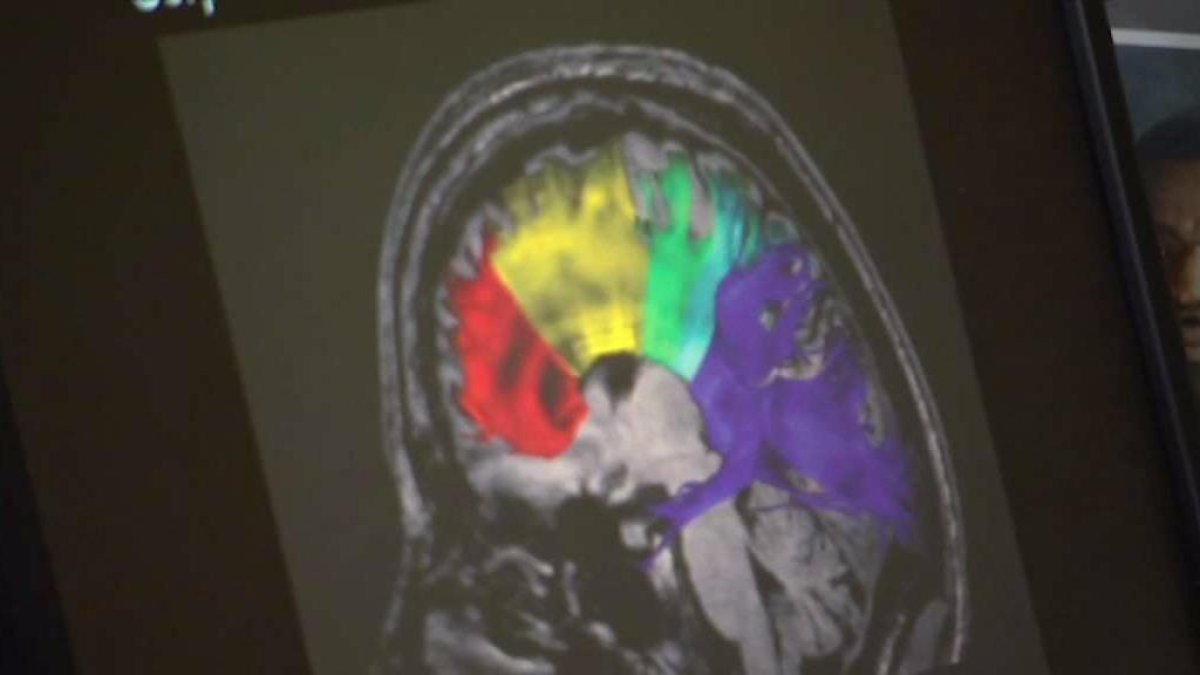
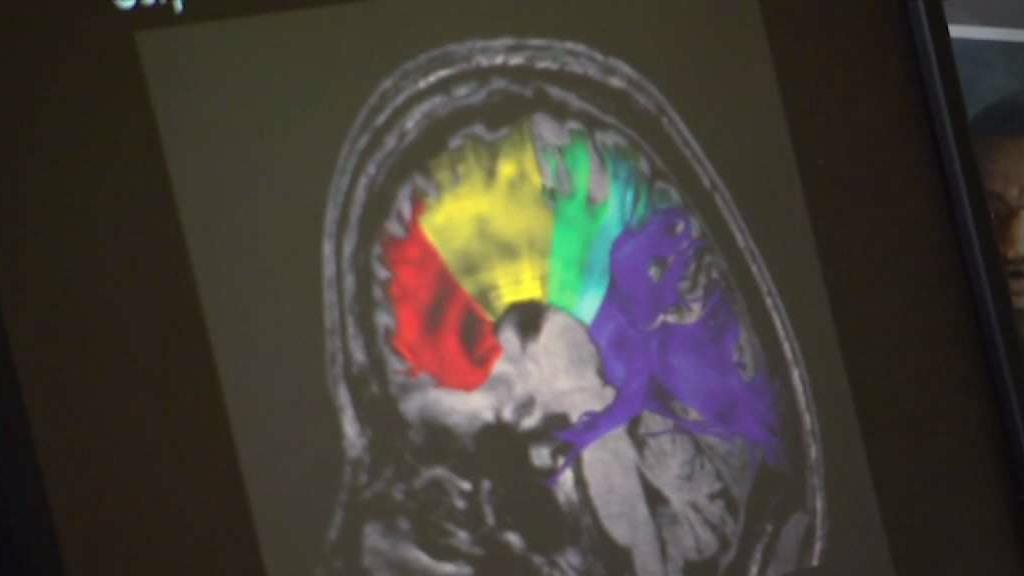
The disease involves progressive brain damage, particularly in the frontal region, which controls many functions including judgment, emotion, impulse control, social behavior and memory.
The disease was brought to the mainstream due to some high-profile NFL cases, including Pittsburgh Steelers Hall of Fame center Mike Webster, the late former New England Patriot Aaron Hernandez and Hall of Fame linebacker Junior Seau. Webster was the first NFL player to be diagnosed with CTE, and the doctor who identified the brain disease became the subject of the movie “Concussion.”
It is typically found in athletes involved in contact or striking sports such as football, boxing, wrestling, ice hockey, kickboxing, mixed martial arts, Muay Thai, ruby and soccer. Monday’s shooter played football in his youth.
It has also been found in soldiers exposed to bomb blast waves, domestic violence victims and in psychiatric patients who engaged in repeated head-banging.
What causes CTE?
Repeated knocks to the head are the most likely cause of CTE. Scientists believe genes probably play a role and may explain why some people with repeated head blows never develop the disease. Lifestyle habits including diet, alcohol and drugs may also somehow contribute.
Though the brain is jello-like in texture and cushioned in cerebrospinal fluid, a powerful hit — from a hard tackle, a fist or bomb shock wave — can cause a concussion, forcing the brain to ricochet back and forth inside the skull. Besides bruising and swelling, researchers believe that force can cause the brain to elongate, stretching nerve cells and their axons — fiber-like parts that transmit messages between cells. With a mild blow, these cells may return to normal, but a forceful hit may cause them to die.
Common symptoms after a concussion include dizziness, confusion, headaches, nausea and sometimes temporary loss of consciousness.
CTE has been linked with repeated concussions and some scientists believe it may occur after repeated head blows that don’t cause any obvious symptoms. But they still don’t know how many head hits is too many.
What are the symptoms of CTE?
It can cause memory loss, depression, violent mood swings and other cognitive and behavioral issues in those exposed to repetitive head trauma.
If the disease continues to worsen, dementia can develop over time. The more advanced the disease progression, the more severe the symptoms. In some cases, it may manifest in homicidal violence, experts say.
Many NFL players whose autopsies showed more advanced disease had experienced personality changes, aggressive behavior, paranoia, poor memory, attention problems, dementia and depression. Some died by suicide.
A 2023 study by researchers at Boston University’s Chronic Traumatic Encephalopathy Center found that of the 376 former NFL players’ brains studied, 345 were diagnosed with CTE.
How do doctors diagnose CTE?
CTE can only be diagnosed after death through a brain tissue analysis.
A signature feature is abnormal deposits of tau protein that accumulate around small blood vessels in brain crevices. Tau occurs normally in brain cells, helping them maintain their shape and function. But researchers believe that multiple head blows may dislodge tau protein from the cell structure and cause it to form clumps inside nerve cells. These tau clumps can damage and ultimately kill nerve cells, and can spread as the disease progresses. At advanced stages, brain shrinkage may occur.
Experts in brain disease take samples of brain tissue and utilize special chemicals to detect these abnormal tau proteins. If tau is found, those parts of the brain are systematically inspected in search of patterns consistent with CTE.
Researchers are seeking to refine brain scan techniques to identify CTE tau deposits in living brains.
CTE prevention
Symptoms associated with CTE can sometimes be managed with drugs or other treatment, but there’s no cure and the only way to prevent it is to avoid head blows.
While research focuses on finding a reliable technique to diagnose the illness, studies have proven ways to keep athletes safe. In the NFL’s case, it implemented dozens of new rules, increased standards for helmets and raised penalties to reduce the number of concussions players sustain.They also worked with the players association to invest in brain injury research.
If you or someone you know is in crisis, call or text 988 to reach the Suicide and Crisis Lifeline or chat live at 988lifeline.org. You can also visit SpeakingOfSuicide.com/resources for additional support.