


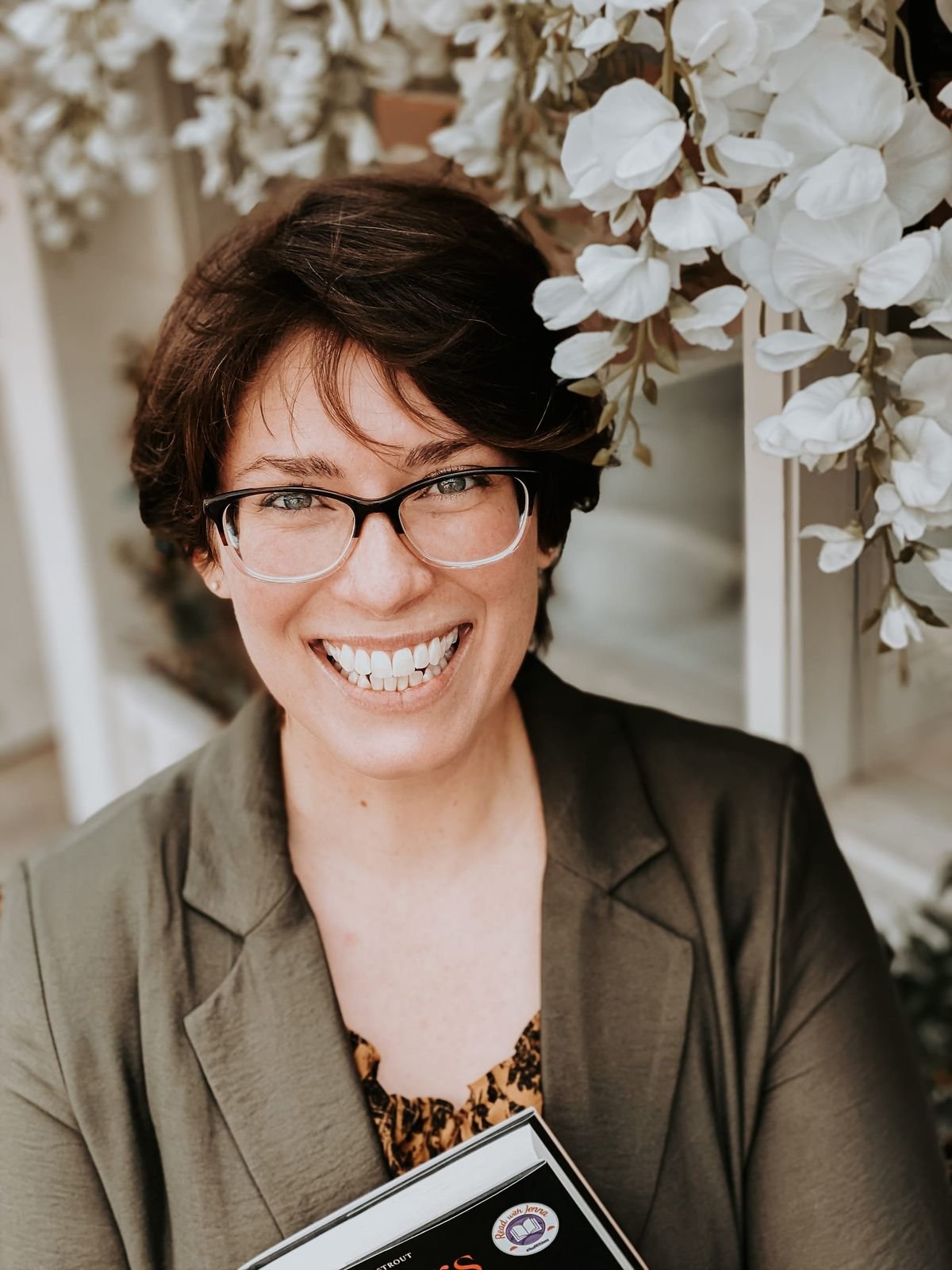
The owner of Malibu’s only independent bookstore has been named one of ADP’s 2026 Grit & Wisdom Award winners, recognized for keeping her business open through a punishing series of disasters that battered the coastal community over the past two years.
Michelle Pierce, who owns Malibu Village Books, was selected for the national program, which spotlights small business owners who turned defining hardships into lasting wisdom. The award comes after Pierce navigated her store through two wildfires, a major earthquake, a mudslide and a six-month road closure that severed Malibu from the rest of the Los Angeles region.
Pierce credits two principles for keeping her doors open: financial resilience and creativity.
“Creativity is a survival skill — getting creative in thought, systems, and practice is the only way to push past the present and change for the future,” Pierce said. “Financial resilience is not optional. You cannot complete your mission if your doors close.”
Malibu Village Books opened officially in March 2023 after Pierce was approached by the property’s previous landlords, Jamestown, who had visited her original location, Lido Village Books, and asked her to bring a bookstore to Malibu. The community had been without one for more than 15 years.
The troubles began in December 2024, when the Franklin Fire forced the store to close for a week during the holiday season. Pierce thought the business could absorb the hit. Then the Palisades Fire hit, shuttering the store for the rest of January 2025.
The deeper blow came afterward, when a six-month road closure cut off Malibu from Santa Monica and the rest of Los Angeles and Orange counties. Customers could not reach the store. Many assumed it had closed permanently.
“It was devastating and really hard — 2025 was the most hopeless time in my life,” Pierce said. “When no one can get to you — when everyone thinks you are closed forever — they begin to build new habits and new routines. We stayed open so employees and community members would have a space to go to and feel a sense of community and normal routine, and yet there were days we made $0 in sales.”
A bookstore operates on one of the tightest profit margins in retail, Pierce said. Her rainy-day fund dwindled. Rent came due. Employees faced their own crises. Pierce said she was denied financial assistance and told at one point that “bookstores don’t matter.”
She refused to close. Instead, she applied for grants, launched a GoFundMe campaign, accepted help from longtime customers and built new ways to get books out into the community. The store is still recovering a year later.
For other small business owners facing similar pressure, Pierce offered direct advice.
“Hold strong and document everything. Sometimes things get out of your control, so take a moment to see what you can control,” she said. “Use this as a moment to create new opportunities that are missing within your industry and you do well.”
Laci Buzzelli, senior vice president and general manager of small business services at ADP, said Pierce’s approach reflects what the company has observed in the most durable small businesses.
“What Michelle did at Malibu Village Books, building a rainy-day fund and finding new ways to support and connect with customers, is the kind of proactivity we see in the most resilient small businesses,” Buzzelli said. “Protect your financial reserves before you need them, and simplify your operations now so you have the room to move should the unexpected hit.”
The recognition arrives as new data underscores the economic weight of businesses like Pierce’s. According to ADP Chief Economist Nela Richardson’s latest Main Street Macro report, businesses with fewer than 20 employees created more than 525,000 jobs in 2025, more than any other group of private-sector employers. Without them, the U.S. economy would have lost 110,000 private-sector jobs last year.
“These Main Street businesses rarely grab headlines, but maybe they should,” Richardson said. “When it comes to U.S. employment, the little mom-and-pop engine of our economy is the biggest thing powering the labor market.”
Pierce said she remains grateful to customers, authors and donors who helped sustain the store through its hardest stretch.
“It takes a lot to rebuild,” she said, “and we are SO thankful to all those who have supported us.”