

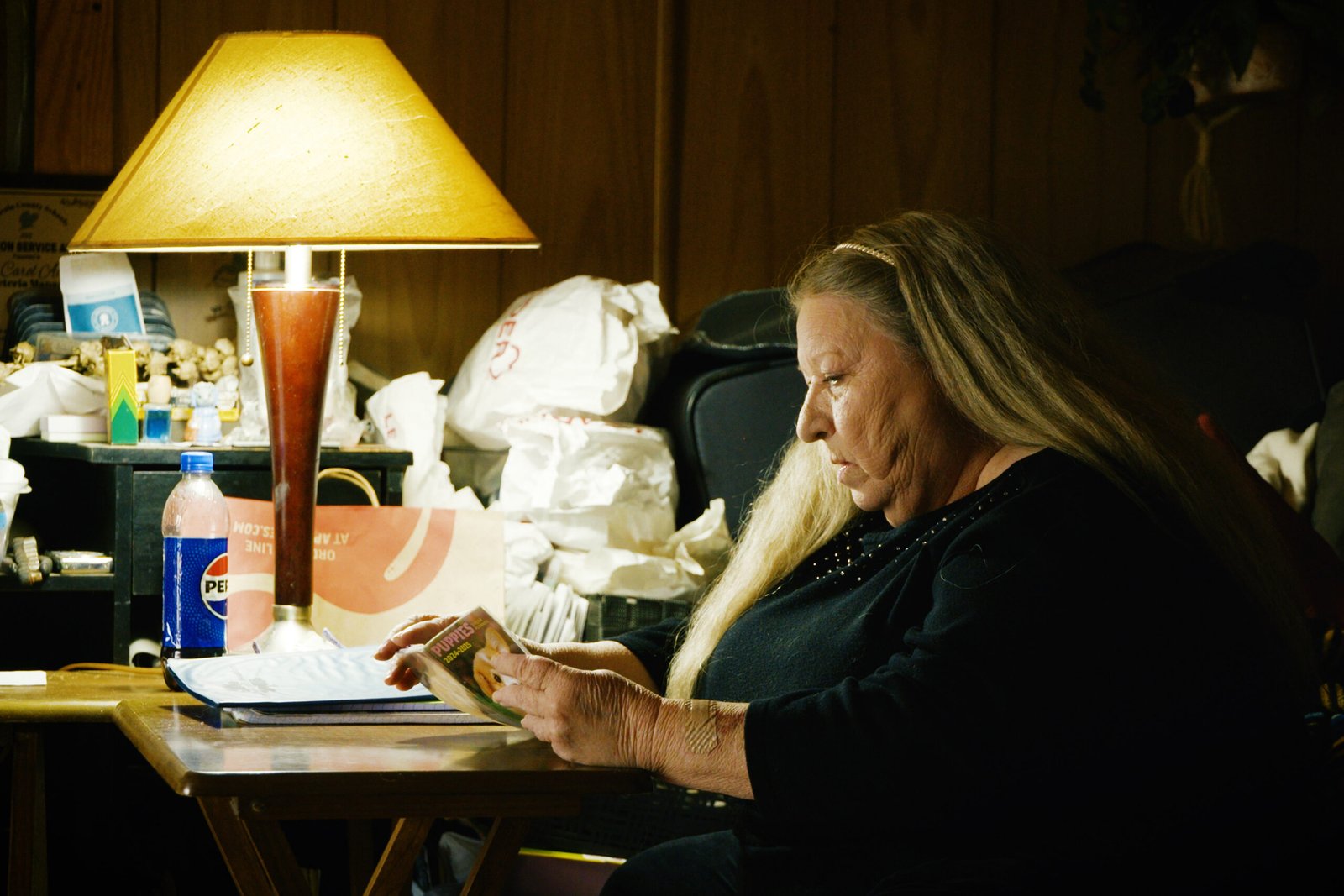
As the federal government reworks rules for a $42 billion broadband expansion program, millions of Americans live in places where there aren’t enough health care providers and internet speeds aren’t good enough for telehealth. A KFF Health News analysis found people in these “dead zones” live sicker and die younger on average than their peers in well-connected regions.
KFF Health News has partnered with InvestigateTV to tell the stories of residents whose health care falls into the gap. InvestigateTV’s Caresse Jackman and KFF Health News’ Sarah Jane Tribble take viewers to Alabama, Idaho, and West Virginia to explain why those connectivity gaps persist.
Explore the full investigation here.
This article was produced by KFF Health News, a national newsroom that produces in-depth journalism about health issues and is one of the core operating programs at KFF — the independent source for health policy research, polling, and journalism.
KFF Health News is a national newsroom that produces in-depth journalism about health issues and is one of the core operating programs at KFF—an independent source of health policy research, polling, and journalism. Learn more about KFF.
USE OUR CONTENT
This story can be republished for free (details).
We encourage organizations to republish our content, free of charge. Here’s what we ask:
You must credit us as the original publisher, with a hyperlink to our californiahealthline.org site. If possible, please include the original author(s) and “California Healthline” in the byline. Please preserve the hyperlinks in the story.
It’s important to note, not everything on californiahealthline.org is available for republishing. If a story is labeled “All Rights Reserved,” we cannot grant permission to republish that item.
Have questions? Let us know.
