


New helmet protection arrived to the National Football League.
The NFL announced before the 2024 season that Guardian Caps could be worn by players during regular-season games, a first for the league.
Ahead of Week 8 last season, Miami Dolphins quarterback Tua Tagovailoa made headlines for saying he will not wear the protective gear after returning from another concussion.
Here’s what to know about Guardian Caps entering the 2025 NFL season:
What are Guardian Caps?
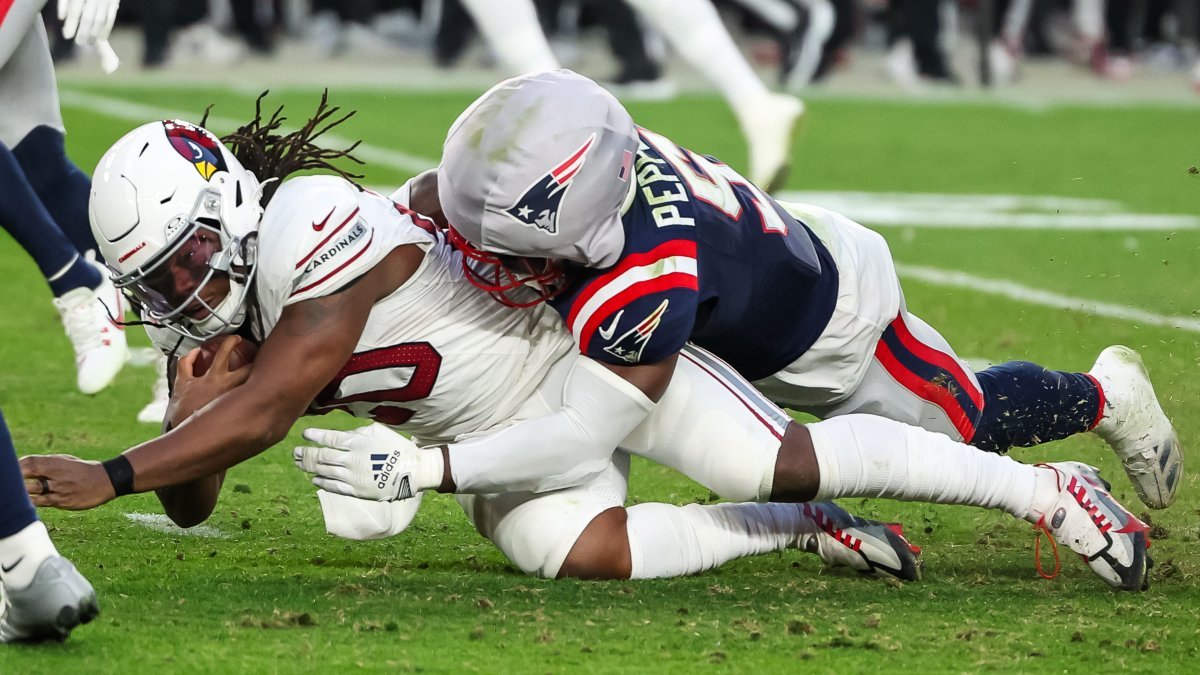
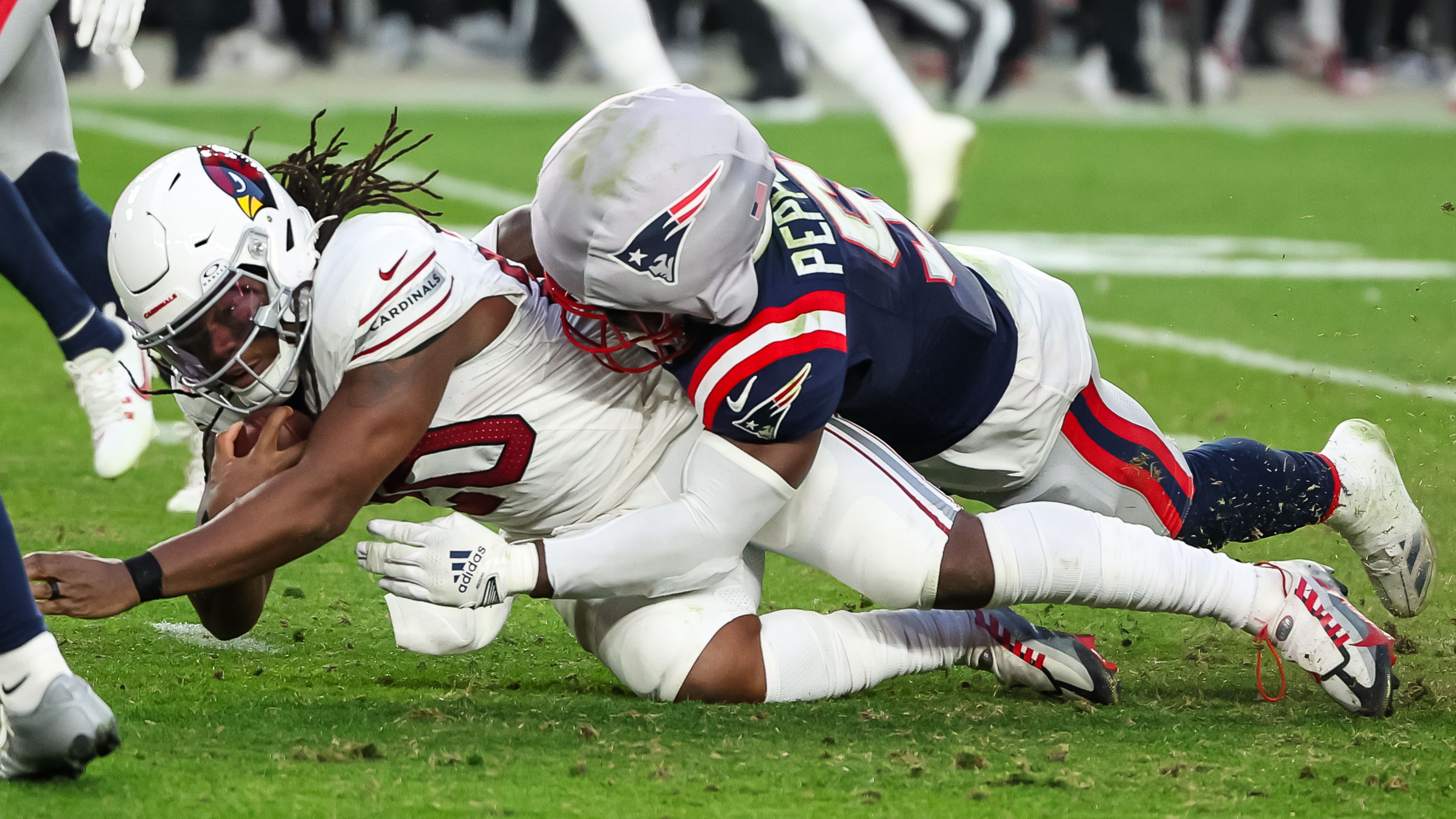
Guardian Caps are soft shell covers on top of helmets that provide extra cushioning and enhanced safety for head-to-head contact.
When did the NFL start using Guardian Caps?
The NFL started allowing Guardian Cap usage during the 2022 training camp before making it mandated for some position groups in 2023. That then rolled over to regular-season and postseason practices, and more positions have since been added to the mandate.
Are Guardian Caps required for NFL players?
Guardian Caps have been required for certain positional groups during practices. Those include linemen, linebackers, tight ends, running backs and fullbacks since head-to-head contact is more frequent among those positions.
The only positions not required to wear the caps are kickers, punters, quarterbacks, wide receivers and defensive backs.
Guardian Caps are optional for all players in the regular season.
Jeff Miller, executive vice president of the NFL’s Player Health & Safety initiative, explains how equipment and rule changes helped the NFL see a 17% drop in concussions recorded from 2023 to 2024.
Are Guardian Caps allowed during regular-season NFL games?
Yes, the NFL has authorized their use during regular-season games as of the 2024 season.
After a year of data, the league found that the 2024 season saw the fewest concussions since tracking began nine years earlier.
What are the impacts of wearing a Guardian Cap?
Guardian Caps are used to help lower the rate of head-contact injuries. The caps can reduce the force from head contact by 10% if one player is wearing it. That number rises to 20% if all players involved are wearing them, according to the NFL when the caps debuted in 2022.
Chronic traumatic encephalopathy, also known as CTE, can be prevented by lowering the risk of getting a concussion.